

I am starting a spatial computing studio called Building Realms
Introducing Building Realms — a studio for the problems flat screens can't solve.

There's a popular narrative going around that spatial computing is dead.
I just bet my career that it's wrong.
Hi, I'm Sarang Borude. After four years at Meta and twelve years of building prototypes with emerging technologies, I'm starting a spatial computing studio called Building Realms. This post is the story of why — and what we're here to do.
Twelve years of prototypes
For the past four years, I worked as a Product Design Prototyper at Meta, building experiences for augmented-reality glasses and smart glasses. Before that, I was at Amazon, creating AR experiences inside the Amazon app — used by millions of customers. Earlier stops took me through Intel and Volkswagen.
But my journey with this medium started long before any of that. I've spent the last twelve years building prototypes with emerging technologies — exploring new forms of interaction, and learning what makes these experiences genuinely useful, not just technically impressive.
Now I'm bringing everything I've learned to Building Realms.
Building for Vision Pro since day one
Since the day Apple Vision Pro launched, I've been building prototypes for it and sharing them openly — mainly to understand what this new medium can really do. I explored immersive environments, interior design, AI-driven creation, visualization, and new ways of interacting with digital content.
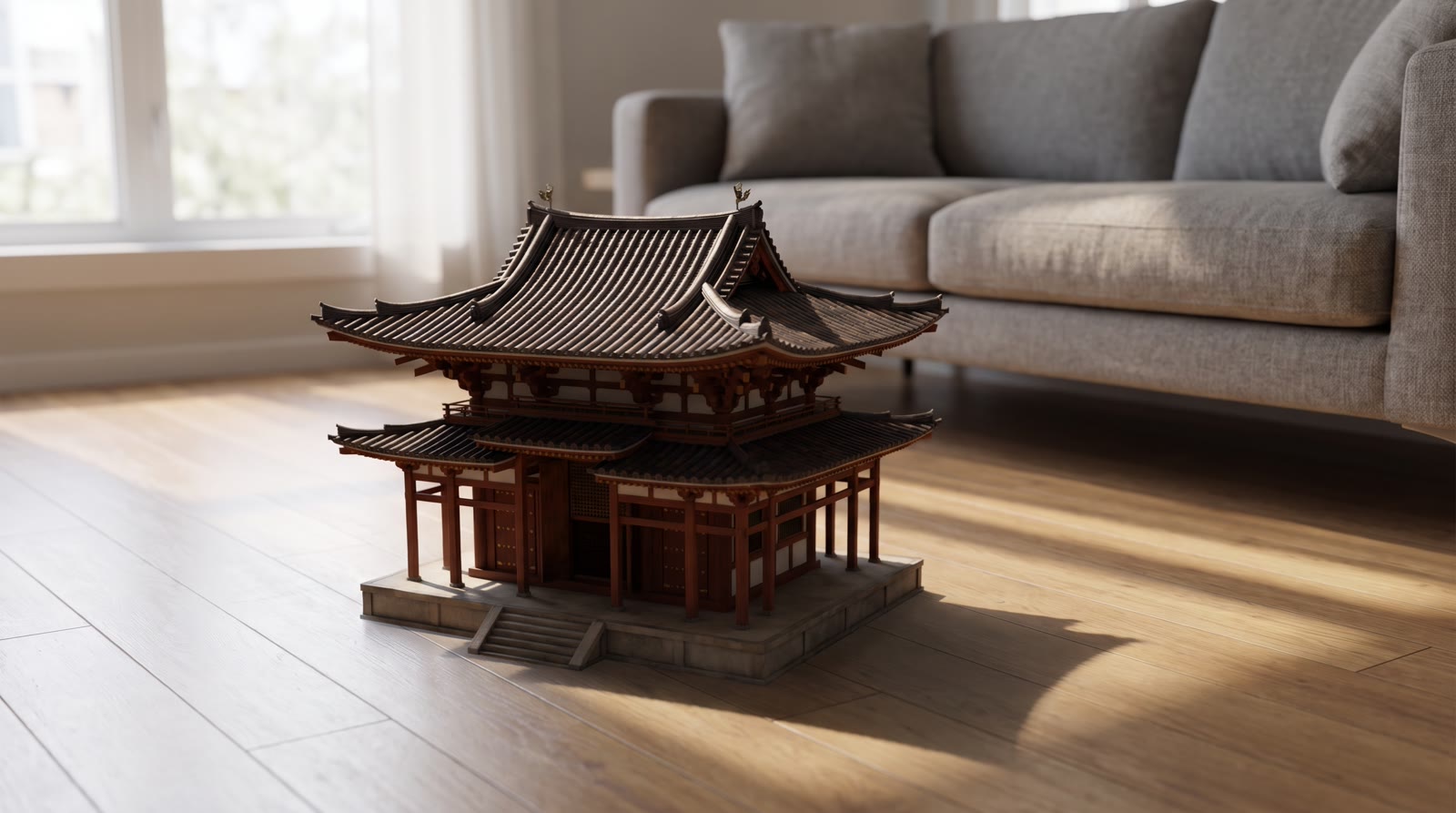
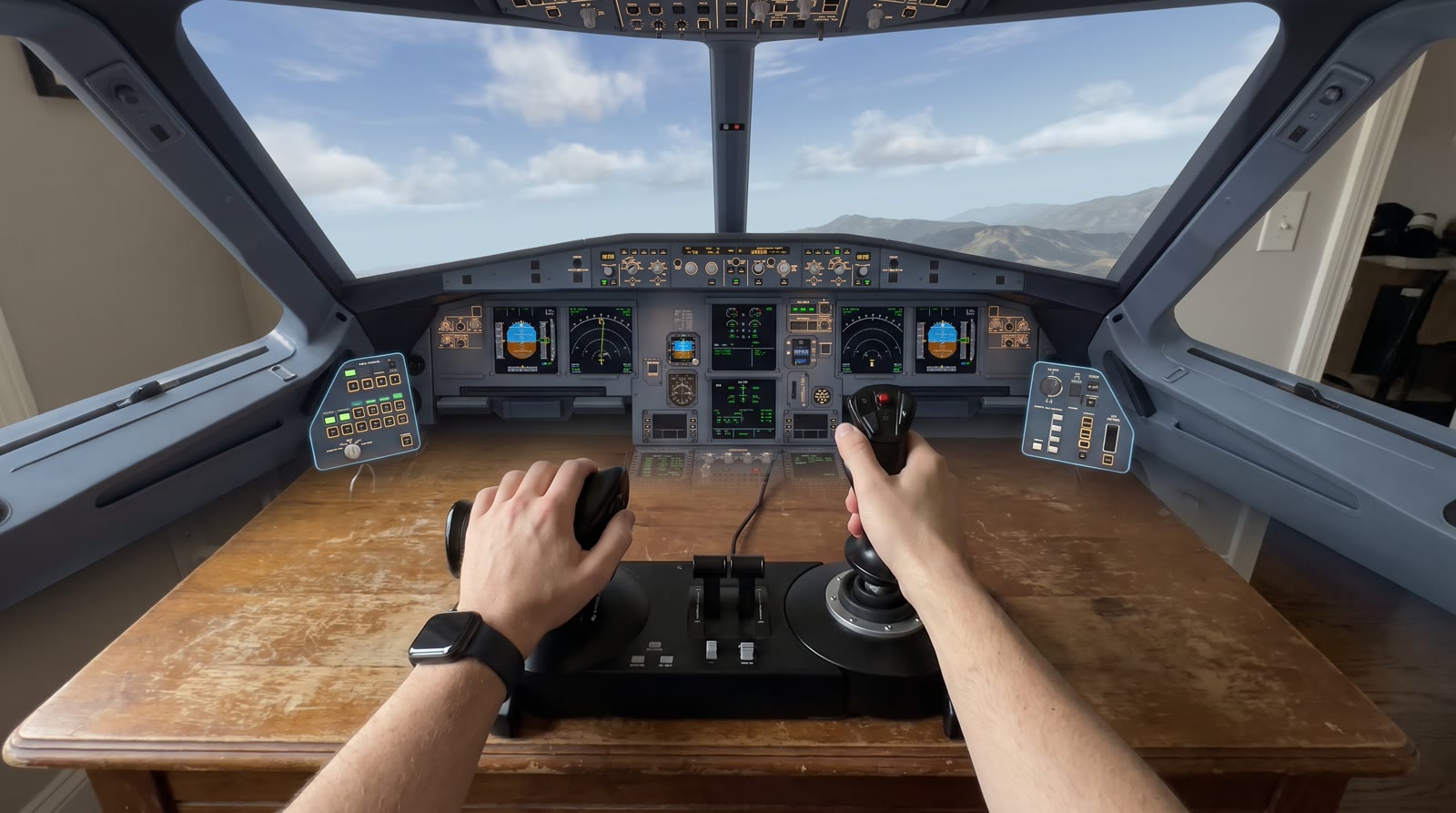

Building and sharing those experiments connected me with an amazing community of Vision Pro developers. But it also connected me with people who weren't interested in the technology at all. They had real problems they wanted spatial computing to solve.
That's when the idea behind Building Realms started becoming clear.
Why now
During my time at Meta, I came to believe that AI and spatial computing will complement each other.
AI becomes the intelligent layer — it understands our intent, our environment, and the information around us. Spatial computing becomes the interface — how we experience and interact with that intelligence.
And with the latest AI tools, a small, experienced team can go from idea to realistic prototype faster than ever before. We can build, test, and validate complex ideas without the time and resources that used to make them impractical.
But to be clear: AI makes us fast. It's human care and judgment that make what we build feel magical.
That's why the timing feels right.
What Building Realms stands for
Building Realms exists to create best-in-class spatial experiences that solve meaningful, real-world problems.
Our goal is not to take an existing app and place floating windows in front of you. We want to deeply understand the problem, the people experiencing it, and the unique capabilities of this medium — then design something carefully crafted, intuitive, and polished. Whenever possible, something with a moment of delight: the feeling that this could only have existed spatially.
Just as importantly, we won't force this technology where it doesn't belong.
Sometimes spatial computing is the right solution. Sometimes it is not. Our job is to understand the difference.
What becomes possible
Spatial computing doesn't need to replace the smartphone to be transformative. Its biggest impact will come from solving problems where space, scale, presence, or physical interaction truly matters.
Imagine a new surgeon learning a complex procedure in Vision Pro — practicing it many times before ever operating on a cadaver, or a real patient.
Imagine a factory employee learning to operate or repair a machine — without a senior expert flying across the world to be there in person.
Imagine an architect and a client walking through a proposed design at full scale before construction begins — preventing expensive demolition, rework, and misunderstanding.
And the value isn't only industrial.
Imagine a senior citizen experiencing places they could only dream of visiting. Imagine preserving spatial memories of your family — being able to return to the moments and places worth remembering.
Sometimes the value is measured in time, cost, or risk. Sometimes it's measured in understanding, connection, or emotion.
There are so many problems and experiences that could benefit from this medium. Building Realms exists to discover them — and to thoughtfully bring them to life.
Let's build something real
If you're exploring how spatial computing could help your company, your customers, or a problem you care about, I'd love to hear from you.
Visit buildingrealms.com and tell us the problem you're trying to solve. We'll help you figure out whether spatial is the right answer — and if it is, we'll build it properly.
And if you know someone wrestling with one of these problems, send this post their way. A warm introduction is worth a hundred cold emails.
Building Realms. Let's build something real.